Finland’s VTT Technical Research Centre has long been a launchpad for world-class deep-tech companies. Here are five of the most significant innovations emerging from its portfolio in 2026.
1. Proteins.1 — Reading Disease Years Before Symptoms Appear
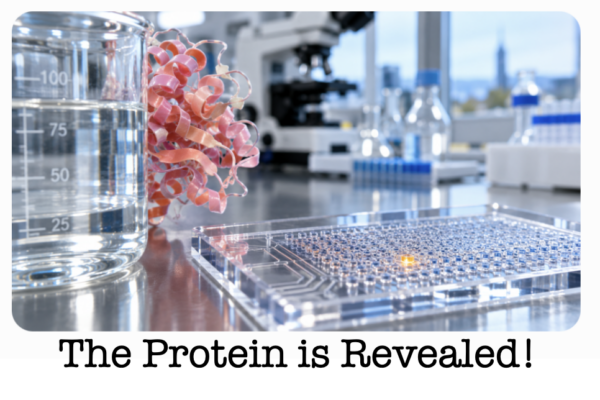
Launched in April 2026, Proteins.1 is commercialising a physics-based technology that detects individual protein molecules with sensitivity up to 1,000 times greater than existing gold-standard platforms. The company draws on an analogy from genetics: just as PCR revolutionised diagnostics by amplifying DNA signals, Proteins.1 introduces cyclic signal amplification for proteins — a method that has never previously existed. The goal is to identify molecular warning signs of cancer, neurological disorders, and cardiovascular disease years before they become clinically visible. The Espoo-based startup launched with €4.7 million in pre-seed funding and holds US and Finnish patents on the core technology, which was developed and validated at VTT with European Union breakthrough innovation funding.
2. Elea & Lili — A Plastic-Free Future for Diapers and Farmland
In March 2026, VTT spinout Elea & Lili raised €2.5 million to bring its patented Cellulose Super Absorbent (CSA™) to industrial scale. The material replaces the fossil-based superabsorbent polymers found in virtually every disposable diaper on the market — currently the last non-biodegradable component in these products. CSA™ is made from cellulose, is fully biodegradable and microplastic-free, and matches the performance of conventional absorbents while fitting into existing production lines. The company is also targeting agriculture, where superabsorbent materials improve water retention in soil. With approximately 170 billion diapers produced globally each year and EU regulations set to restrict fossil-based soil plastics from 2028, the timing is strategic.
3. Granarium Technologies — Renewable Electricity Storage from Wood Fibres
Granarium Technologies is building electricity storage devices entirely from renewable materials, using high-consistency nanocellulose as the structural foundation of a next-generation supercapacitor. The innovation combines the best performance characteristics of conventional supercapacitors with the sustainability of forest-derived cellulose and nanostructured activated carbon. The resulting storage units — targeting 50–100 kWh capacity — are designed to stabilise electricity grids and provide fast-reserve power for renewable energy systems. VTT listed Granarium as a 2026 portfolio company, reflecting the technology’s progression from laboratory research towards commercial demonstrator stage.
4. Hypermine — Laser Precision for the Critical Minerals Crisis
Hypermine’s laser-based hyperspectral mineralogy sensor, developed at VTT, allows mine operators to identify and sort valuable ore from waste material at the earliest stage of the mining process. Where conventional decision-making relies on block models covering thousands of tonnes of material, Hypermine resolves decisions down to individual truck loads of 100–400 tonnes — making ore-grade identification around 100 times more accurate. The technology can improve mine profitability by 3–10%, reduce energy consumption by 10%, and cut water and acid use by 15%. The company secured seed funding in June 2025 and has active pilots running in the UK, South Africa, Brazil, and Canada.
5. Steady Energy — Compact Nuclear Heating for Nordic Cities
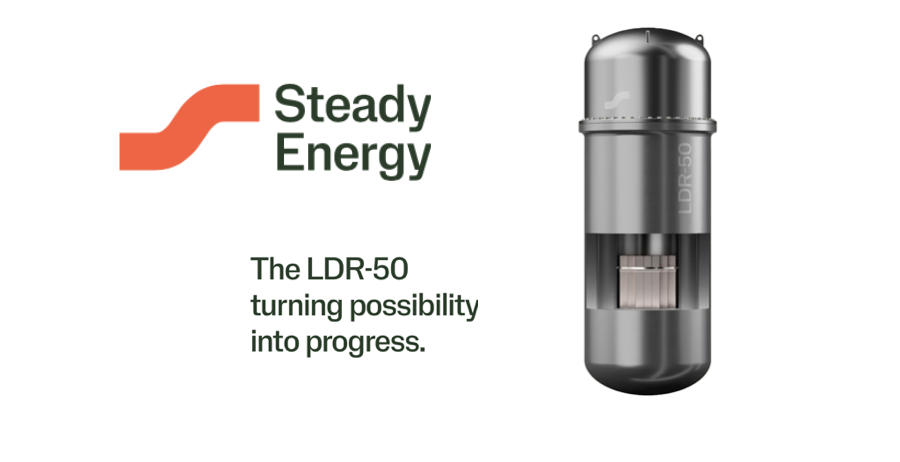
Steady Energy, spun out of VTT in 2023, took a major step forward in February 2026 when it poured the first concrete for a full-scale, non-nuclear pilot of its LDR-50 small modular reactor at the decommissioned Salmisaari B coal plant in Helsinki. The LDR-50 is a 50 MW heat-only reactor designed to operate at lower temperatures and pressures than conventional nuclear plants, making it simpler, safer, and affordable enough for municipal utilities to invest in independently. At an estimated cost of €100 million per unit, it is targeted at cities still reliant on fossil fuels or biomass for district heating. Steady Energy has projects under development in Finland, Poland, Sweden, and South Korea, and signed a framework agreement with Fortum in January 2026 for nuclear expert support in operations and maintenance