Danish researchers have used bacteria to more than triple the lysine concentration of faba beans and rapeseed press cake. Their method promises the precision of industrial amino-acid supplements without simply adding purified nutrients to organic feed. But whether regulators, farmers and consumers will regard the result as genuinely organic remains an unanswered and potentially defining question.
In the feeding shed, the problem begins with an apparent abundance. A pig or chicken may receive plenty of protein yet still lack enough of one indispensable amino acid. The farmer can respond by adding more protein, but much of the surplus will never become meat, eggs or healthy tissue. It will pass through the animal and leave the farm as nitrogen in manure and urine.
Conventional livestock producers have another option. Nutritionists can formulate feed to match the animal’s needs and add measured quantities of individual amino acids, often produced through industrial microbial fermentation. Organic farmers in the European Union do not have the same freedom. Synthetic amino acids are generally excluded from organic feed, leaving producers dependent on the amino-acid profiles of permitted ingredients and the imperfect precision available by combining them. For pigs and poultry, the resulting imbalance can mean feeding more crude protein simply to provide enough lysine, threonine or methionine.
A Danish research team believes bacteria may offer a route through this contradiction. Researchers at the Technical University of Denmark’s National Food Institute and Aarhus University have developed a two-stage fermentation process that converts nitrogen already present in plant material into additional lysine. In laboratory experiments, the process raised the lysine concentration of faba beans to 37.5 grams per kilogram of dry matter and that of rapeseed press cake to 29 grams. Those figures represented increases of 3.4 and 3.6 times respectively.
The experiment suggests that precision nutrition might be built into an organic ingredient rather than added afterwards. It also raises a more difficult question. If scientists select a microorganism for its capacity to manufacture a specified nutrient, place it in a controlled fermentation process and produce a crop ingredient with a deliberately redesigned amino-acid profile, is the result philosophically different from an industrial feed additive?
The answer could determine whether microbial fermentation becomes a bridge between organic principles and modern nutritional science, or a technological workaround that stretches the meaning of organic beyond recognition.
Two bacteria and a nitrogen relay
The paper, published in the Journal of Agricultural and Food Chemistry, was written by Belay Tilahun Tadesse, Shuangqing Zhao, Jan Værum Nørgaard and Christian Solem. It appeared online in August 2026 and in the journal’s 26 August issue, before being publicised by the DTU National Food Institute on 30 September. Its title promises a method for adjusting the amino-acid composition of plant biomass for both humans and animals, although its immediate context is animal feed.
The process uses two microorganisms in sequence. First, Bacillus subtilis subsp. natto breaks down resistant plant proteins into peptides and amino acids. Some of this material is metabolised, releasing ammonia. An optimised strain of Corynebacterium glutamicum then uses the ammonia as a nitrogen source to produce L-lysine. Rather than importing new nitrogen into the ingredient in the form of extra protein, the microorganisms redistribute nitrogen already contained in the biomass towards an amino acid that has greater nutritional value in an otherwise unbalanced diet.
The choice of organisms is significant. Bacillus subtilis subsp. natto is associated with natto, the traditional Japanese fermented soybean food. Corynebacterium glutamicum is one of industrial biotechnology’s established microbial workhorses. It is already used to manufacture L-lysine and other amino acids at large scale, and decades of strain improvement and metabolic engineering have made it central to the present feed-additive industry. One research group places the global L-lysine market at roughly 1.5 million tonnes a year.
The Danish experiment therefore does not replace industrial fermentation with an entirely different biological principle. It takes a bacterium already used as a cellular factory and changes the setting in which it operates. Instead of producing an amino acid that is subsequently separated, purified and added to compound feed, the bacterium produces lysine within a plant substrate intended to remain part of the final ingredient.
That distinction is the scientific elegance of the method. It is also the source of its regulatory ambiguity.
The precision that organic production lacks
Modern feed formulation is based increasingly on the concept that animals need digestible amino acids in appropriate proportions, not crude protein as an undifferentiated quantity. When one essential amino acid is insufficient, the animal cannot use the remaining amino acids efficiently for protein synthesis. Supplying more intact protein may correct the limiting deficiency, but it also delivers quantities of other amino acids that the animal does not need.
Feed-grade amino acids allow nutritionists to lower crude-protein levels while maintaining the essential amino-acid balance. A review of pig and broiler production concluded that this strategy can reduce nitrogen excretion and alter manure in ways that lower ammonia, nitrate and nitrous-oxide emissions. The scale of the environmental benefit varies between species, formulations and production systems, and depends partly on the footprint assigned to soya meal and industrial amino-acid manufacture.
A 2023 meta-analysis of 106 broiler trials found that when recommended amino-acid-to-lysine ratios were maintained, each percentage-point reduction in dietary crude protein reduced daily nitrogen excretion by 10.4 per cent. Feed conversion became 1.3 per cent worse, however, indicating that supposedly precise low-protein feeding can still involve performance trade-offs. A separate 2026 experiment involving 36 male broilers reported approximately 31 per cent less nitrogen excretion from an amino-acid-balanced low-protein diet while overall growth was maintained. Those results illustrate what careful amino-acid balancing can achieve, but they do not prove that the Danish fermented ingredients will produce the same effect.
Organic agriculture has difficulty accessing this precision. The EU CAP Network describes meeting poultry methionine requirements without excessive protein as a persistent problem because synthetic amino acids are not allowed in organic farming. It notes that methionine is commonly the first limiting amino acid in poultry diets and concludes that alternative intact protein sources can improve the balance but may not reproduce the precision available from supplementation.
Pigs and poultry are the most obvious beneficiaries because they cannot rely on microbial fermentation in the rumen, as cattle and sheep can, to transform dietary nitrogen before it reaches the intestine. For monogastric animals, deficiencies in lysine, methionine and threonine are particularly important. In conventional pig production, crystalline lysine, methionine, threonine, tryptophan and valine are routinely used to formulate lower-protein diets, although research indicates that crude protein cannot be reduced indefinitely without risking poorer performance.
This is the technical mismatch that the Danish project intends to repair. Organic farming demands reliance on natural substances and processes, but an animal’s metabolism does not become less exact because the farm follows organic rules.
A project designed around the rules
The research forms part of NextOrganic, a project supported through Denmark’s Organic RDD 10 programme and the Danish Agricultural Agency. When the project was announced in January 2025, Aarhus University said its aim was to produce lysine, threonine and methionine suitable for organic pigs and poultry. The university described the potential result, if successful, as the greatest advance in organic farming since organic practices began.
That language reflects the scale of the nutritional problem, but also the project’s ambition. The university explained that amino acids used in conventional feed are generally made either by chemical processes or by genetically modified microorganisms. Because those routes are incompatible with organic production, the project proposed screening natural bacterial mutants capable of producing large quantities of the required amino acids. Corynebacterium glutamicum was identified from the beginning as one of the organisms under investigation.
The description matters because “optimised”, the term used for the C. glutamicum strain in the 2026 paper, does not by itself establish how the strain was created. Optimisation could involve strain selection, adaptive evolution, random mutation, conventional mutagenesis or targeted genetic engineering. The project’s stated intention was to identify natural mutants rather than use the genetically modified production strains typical of industrial amino-acid manufacturing. The paper abstract calls the organisms safe, but the publicly available records do not reveal enough about the strain-development history to determine how an organic control authority would classify the process.
That missing detail is not a minor technicality. An application to authorise L-lysine sulphate produced by a genetically modified strain of Corynebacterium glutamicum, for example, places the resulting product within the functional category of nutritional feed additives under EU law. The application specifies a standardised product containing at least 55 per cent L-lysine on a dry-matter basis and analytical methods for measuring free and total amino acids. The Danish fermented biomasses are far less concentrated, but their purpose could still invite regulators to ask whether the process has effectively manufactured an additive within a feed material.
Where feed material ends and additive begins
EU feed law distinguishes between feed materials, feed additives and compound feed. Feed additives require authorisation following a scientific evaluation of safety for animals, consumers and the environment. The authorisation framework also regulates how additives can be marketed, labelled and used. Feed materials operate under a different legal system, even though processing can change their nutritional properties.
Microorganisms complicate this border. A bacterium can itself be marketed as a feed additive, used as a silage organism or gut-flora stabiliser, or function as a production organism that manufactures another authorised substance. European Food Safety Authority guidance requires detailed characterisation of microorganisms used as feed additives or production organisms, including questions concerning genetic identity, antimicrobial resistance and recombinant DNA.
The Danish process creates several possible legal identities. The resulting material could be regarded as fermented faba bean or fermented rapeseed press cake, both recognisable agricultural ingredients. It could instead be considered a delivery system for microbially produced lysine. If viable microorganisms remain, they could themselves attract regulatory scrutiny. If they are removed or inactivated, authorities may still examine residues, metabolites and DNA. None of the public documents reviewed for this article records a ruling by an organic certifier or feed regulator on which identity should prevail.
The organic rules introduce a second layer. Regulation (EU) 2018/848 defines organic production as a system based on environmental stewardship, biodiversity, natural resources, animal welfare and consumer demand for products made using natural substances and processes. It prohibits genetically modified organisms and limits the external inputs that organic operators may use. It also requires livestock to be fed in accordance with nutritional needs.
These principles do not provide an automatic answer. Fermentation is unquestionably compatible with organic food and has been used for millennia. Selecting microorganisms for useful properties is equally ancient. Yet the Danish approach is not fermentation merely for preservation, flavour or digestibility. It is a targeted intervention intended to deliver a calculated quantity of a specific nutrient.
A regulator might conclude that this remains a natural biological transformation of an organic substrate. A critic might reply that the location of manufacture does not alter the purpose: bacteria have been deployed as precision machinery to create an amino acid that organic rules prevent farmers from adding directly.
The dispute goes to the philosophy of organic agriculture. Is organic status determined primarily by the absence of prohibited inputs, or by a broader reluctance to reduce livestock and crops to industrial optimisation problems? If microorganisms can be screened, selected and managed to produce nutrients on demand, organic farming may acquire much of the precision of biotechnology while retaining a formal distinction from genetically engineered industrial additives.
The Nordic protein question
Faba beans and rapeseed press cake were not arbitrary laboratory substrates. They belong to a larger Nordic attempt to reduce dependence on imported protein. Faba beans can fix atmospheric nitrogen, reducing their need for synthetic nitrogen fertiliser, and can produce relatively high protein yields in northern climates. Rapeseed press cake is the protein-rich material remaining after oil extraction, making it a potentially valuable co-product rather than a newly cultivated resource.
The regional ambition remains constrained by agronomy. The FABANOVA project, involving Nordic and Baltic research partners, notes that Europe remains dependent on imported plant protein and that faba-bean expansion in northern regions is restricted by unstable yields, drought, disease and the length of the growing season. A Finnish policy review similarly reported that grain legumes occupied only 2.2 per cent of Finland’s arable area and that dry growing seasons had impeded faba-bean production.
Processing may help overcome another constraint. A review led by the Swedish University of Agricultural Sciences found that faba beans, yellow peas and oats can substitute for soya in a range of food functions, but identified lower protein quality, antinutritional compounds and off-flavours as continuing obstacles. Fermentation is among several methods that can improve nutritional, sensory and functional properties, although the evidence varies by crop and process.
If microbial enrichment makes Nordic crops nutritionally closer to precision-formulated feed, farmers might need less imported soya or fewer high-protein ingredients. But the Danish study did not conduct a feeding trial, formulate a commercial ration or quantify soya displacement. It measured the lysine created in fermented biomass. The leap from grams per kilogram in the laboratory to tonnes of avoided imports requires evidence about digestibility, inclusion rates, production costs, crop supply and animal performance.
There is also no guarantee that fermenting local crops has a smaller overall environmental footprint. The calculation must include cultivation, transport, sterilisation or pasteurisation, fermentation energy, drying, possible separation steps, rejected batches and storage stability. A process that lowers nitrogen excretion but consumes substantial heat or electricity could shift rather than eliminate environmental costs. Life-cycle assessment will be essential because the climate impact of lower-protein feeding depends on the ingredients displaced and the way the supplemental amino acids are produced.
Beyond pigs and poultry
The same principle could extend beyond the project’s initial species, but not uniformly. In cattle and other ruminants, microbes in the rumen already modify dietary protein extensively. Additional lysine in feed may be degraded before it reaches the small intestine unless it is protected, so a lysine-enriched biomass would not automatically offer the same precision as it might for pigs or chickens.
Aquaculture represents a more plausible but separate opportunity. Fish diets increasingly use plant ingredients to reduce reliance on fishmeal, yet amino-acid balance, digestibility and antinutritional compounds can limit substitution. A fermented ingredient with a deliberately adjusted amino-acid profile might be useful, but it would require species-specific studies. Salmon, trout and warm-water fish do not share identical digestive systems or amino-acid requirements.
The human-food claim is more immediate in the paper’s title than in its evidence. The researchers state that partial breakdown of plant proteins could improve digestibility and that the process might enrich foods for people as well as feed for animals. Fermented faba-bean and rapeseed ingredients are already entering commercial food development, demonstrating that the substrates themselves are not confined to the feed sector.
Yet measured lysine concentration is not the same as demonstrated nutritional benefit. The publicly accessible abstract does not report a human trial, a full digestibility study, sensory analysis or measurements of the fate of individual antinutrients. Nor does it show how the ingredient performs after heating, extrusion, storage or incorporation into a finished food.
Taste may prove as important as nutritional chemistry. Nordic alternatives to soya often carry bitter, grassy or beany notes, while rapeseed ingredients present their own sensory and processing challenges. Fermentation can reduce some unwanted compounds but can also generate new aromas and textures. A product that achieves a theoretically ideal amino-acid profile but requires heavy flavour masking may struggle to deliver a convincing environmental or commercial advantage.
Claims that the technology could alleviate malnutrition in lower-income countries are more distant still. The DTU release presents this as a possibility, but the experiment used faba beans and rapeseed press cake associated with Northern European agriculture. Any humanitarian application would depend on local substrates, reliable fermentation, microbial safety, water and energy availability, affordability, cultural acceptance and the stability of the nutrient without refrigeration.
Commercial promise without commercial numbers
Industrial lysine succeeds because it delivers consistency. Feed manufacturers can purchase a characterised product, measure it accurately and formulate rations to tight specifications. An enriched bean or rapeseed ingredient will have to compete not only on its organic acceptability but on uniformity between batches.
Crop composition changes with variety, soil, weather and storage. Fermentation adds further variables, including inoculum quality, temperature, contamination, reaction time and substrate moisture. To reproduce the precision of an industrial additive, the process must deliver predictable concentrations of digestible lysine while controlling every other change in the ingredient.
The published experiment demonstrates the principle but does not disclose a commercial cost per tonne, energy requirement, production yield at industrial scale or price relative to existing protein ingredients. Nor do the sources reviewed establish a patent application, licence, spin-out company or operating partnership with a feed manufacturer. That absence does not mean commercialisation is impossible. It means that current claims should remain at proof-of-concept level.
The commercial landscape is also strategically sensitive. The European Feed Manufacturers’ Federation has highlighted EU dependence on third countries for essential nutritional feed additives and has called for measures to reduce supply vulnerability. A Nordic fermentation process using regional crops could therefore appeal not only to organic producers but to policymakers concerned with resilience and strategic autonomy.
But a process designed to avoid industrial amino-acid additives may eventually resemble the industry it seeks to replace. Scaling microbial production requires controlled fermentation, specialist strains, quality assurance, analytical testing and dependable processing infrastructure. “Natural” and “industrial” are not opposites here. Fermentation can be both.
Proof of chemistry, not yet proof of farming
The Danish team has demonstrated something real. Two microorganisms can be used sequentially to redirect nitrogen in faba beans and rapeseed press cake, producing substantially more lysine than the untreated materials contain. The study is peer reviewed, the quantities are reported, and the result is relevant to a genuine nutritional limitation.
What the researchers have not yet demonstrated is the complete chain of consequence on which the larger environmental argument depends. Animals must digest and absorb the lysine. Feed formulators must be able to lower crude protein without creating a deficiency in another amino acid. Growth, health and feed efficiency must be maintained. Nitrogen excretion must fall, and manure management must convert that reduction into lower ammonia, nitrate or greenhouse-gas emissions. Finally, the environmental gain must exceed the footprint of fermentation and processing.
Several decisions will determine whether the method crosses that distance. The researchers must explain precisely how the production strain was optimised. Feed authorities must decide whether the resulting biomass is a feed material or an amino-acid product in another form. Organic control bodies must determine whether the process is compatible not only with the wording of the law but with the principles behind it. Farmers will ask whether the ingredient is affordable and reliable. Consumers may ask whether microbial precision belongs inside a system marketed through ideas of naturalness and restraint.
That debate should not be reduced to a choice between traditional farming and modern science. Organic agriculture already depends on sophisticated breeding, analytical laboratories, certification systems, biological pest control and carefully designed processing. The more revealing question is which forms of intervention it regards as legitimate.
If an organism is genetically engineered to manufacture purified lysine in an industrial fermenter, current organic rules provide a comparatively clear answer. If a naturally selected bacterium performs a closely related task inside a bean or rapeseed substrate, the boundary becomes difficult to see.
Microbial fermentation may ultimately allow organic farmers to feed animals more accurately, waste less nitrogen and make better use of Nordic crops. It may also force the organic movement to confront a question that regulation has so far postponed: whether naturalness resides in the organism, the process, the final ingredient, or the intention of the people engineering all three.
Selected sources:
- Belay Tilahun Tadesse et al., “A Novel and Simple Fermentation Approach for Adjusting the Amino Acid Composition in Plant Biomasses to Enhance Nutritional Value for Humans and Animals”, Journal of Agricultural and Food Chemistry, 26 August 2026, DOI: 10.1021/acs.jafc.6c06318. [pubmed.ncb…lm.nih.gov], [acs.figshare.com]
- DTU National Food Institute, “Bacteria can make plants healthier for humans and animals”, 30 September 2026. [food.dtu.dk]
- Aarhus University, “Organic amino acids for pigs and poultry”, 2 January 2025. [dca.au.dk]
- European Union, Regulation (EU) 2018/848 on organic production and labelling. [eur-lex.europa.eu], [eur-lex.europa.eu]
- European Commission, animal-feed and feed-additive regulatory overviews. [food.ec.europa.eu], [food.ec.europa.eu]
- Cappelaere et al., review of amino-acid supplementation and the environmental effects of low-protein pig and broiler diets. [frontiersin.org]
- de Rauglaudre et al., meta-analysis of low-protein diets, broiler performance and nitrogen excretion. [frontiersin.org]
- Auer et al., review of Nordic crops as alternatives to soya. [research.slu.se]
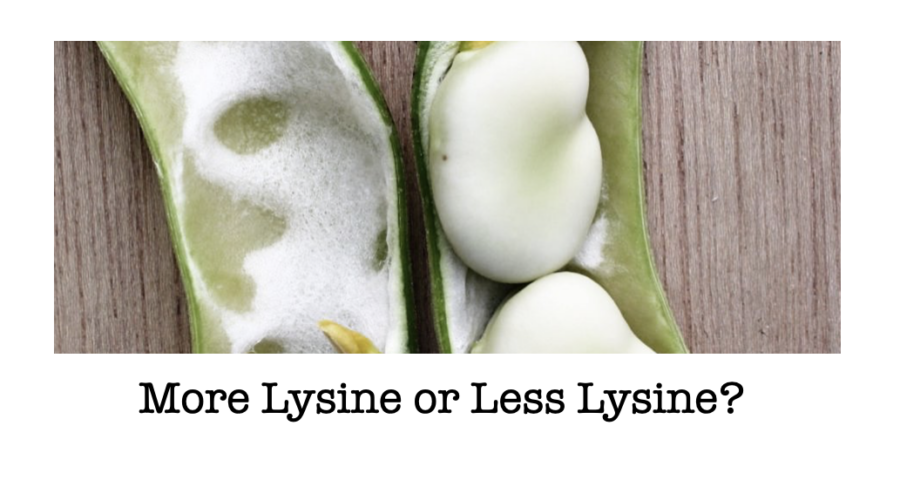
Photo: Author Tuinboon_zaden_in_peul.jpg: User:Rasbak derivative work: Hohum at en.wikipedia