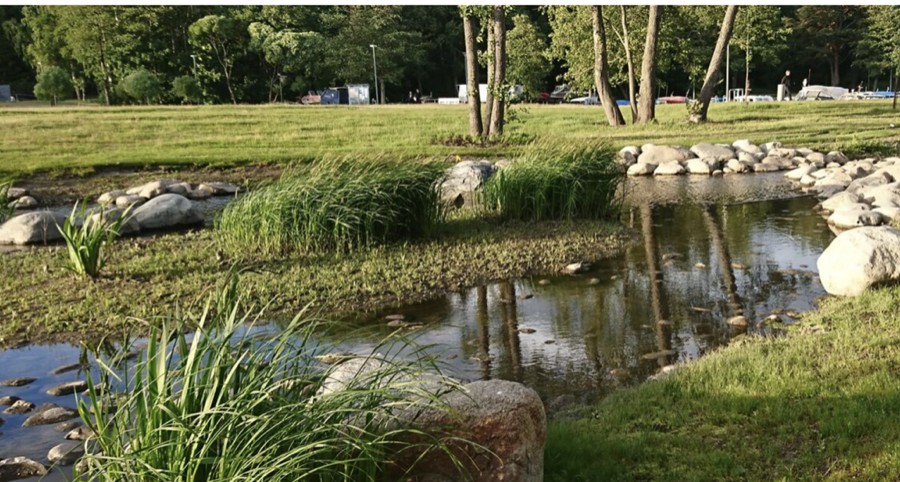
Cities are at the frontline of the climate crisis. Responsible for the majority of global greenhouse gas emissions, urban areas must not only reduce emissions but also actively remove carbon from the atmosphere. Groundbreaking multidisciplinary research from the Carbon-smart Urban Green Handbook demonstrates that green urban solutions are a critical, yet underutilised, tool in achieving this balance—while also enhancing resilience, biodiversity and human well-being.
At the core of this research is the concept of urban green as a carbon sink. Vegetation and soils in cities—ranging from parks and forests to street trees, gardens and courtyards—absorb carbon dioxide through natural processes and store it over time. Although urban green spaces are often overlooked in climate strategies, they can sequester an estimated 2–7% of cities’ fossil fuel emissions, depending on their extent and quality. This makes them one of the few climate solutions that cities can directly shape through planning and design.
However, the importance of urban greenery extends far beyond carbon. Research highlights that these spaces deliver multiple co-benefits simultaneously. Vegetation helps mitigate urban heat islands by cooling air temperatures, reduces flood risks by absorbing stormwater, and supports biodiversity by providing habitats for a wide range of species. At the same time, access to green areas has significant health and social benefits, improving mental well-being and offering opportunities for recreation and connection to nature. In this sense, urban green infrastructure is not an optional aesthetic feature, but a form of critical infrastructure for sustainable cities.
A key insight from the handbook is that preserving existing green spaces is more effective than creating new ones. Mature trees and established soils store significant carbon stocks that have accumulated over decades. When these are removed, the lost carbon cannot be quickly replaced—new plantings may take years before they even begin to function as carbon sinks. This underscores the need for urban policies that protect existing vegetation during development rather than treating green space as expendable.
At the same time, cities must also develop new, carbon-smart green solutions. Innovations such as microforests—dense, biodiverse plantings that can fit into small urban plots—demonstrate how even limited spaces can be transformed into effective carbon sinks. Similarly, well-designed yards, parks and green corridors can enhance carbon sequestration while improving urban livability. These solutions also require careful attention to soil quality, water management and long-term maintenance, all of which influence how effectively vegetation can capture and store carbon.
Importantly, the research emphasises that the success of green urban solutions depends on decisions made at multiple levels—from strategic land-use planning to everyday maintenance practices. Urban planners determine how much space is allocated to greenery, while construction choices influence soil conditions and emissions. Over time, maintenance practices shape plant health and long-term carbon storage. This means that achieving “carbon-smartness” is not a single intervention, but a continuous process involving governments, professionals, businesses and residents alike.
Equally critical is the social dimension. Urban green spaces must be accessible and beneficial to all residents, not just select neighbourhoods. Research shows that canopy cover and green space distribution can vary dramatically within cities, leading to unequal access to cooling, recreation and health benefits. Ensuring equity in green infrastructure planning is therefore essential—not only for fairness, but also for building public support for climate action.
Finally, the handbook frames green urban solutions within a broader shift toward regenerative urban development. Rather than simply reducing environmental harm, cities must actively restore and enhance natural systems. Urban green infrastructure plays a central role in this transformation by simultaneously addressing climate mitigation, adaptation, biodiversity loss and human well-being.
In a rapidly urbanising world, the message from the research is clear: green urban solutions are not a luxury—they are a necessity. By integrating carbon-smart green infrastructure into planning, design and daily practice, cities can move closer to climate neutrality while creating healthier, more resilient and more equitable environments for their residents
Source for this article: The Carbon-smart Urban Green Handbook is a multidisciplinary research publication led by Aalto University in collaboration with leading Nordic research institutions.
It synthesises findings from the six-year CO-CARBON project examining how urban green infrastructure can function as a carbon sink and climate solution.
The work combines expertise from landscape architecture, atmospheric sciences, soil science and social sciences to develop evidence-based, practical strategies for cities.
It provides scientifically grounded principles, tools and case-based insights for integrating carbon-smart green solutions into urban planning and decision-making.
Overall, the handbook positions urban green infrastructure as a central component of sustainable, climate-resilient and nature-positive urban development.
Why Green Urban Solutions Are Essential for Global Cities – New Innovative Approaches to Urban Living from the Nordics
Cities are at the frontline of the climate crisis. Responsible for the majority of global greenhouse gas emissions, urban areas must not only reduce emissions but also actively remove carbon from the atmosphere. Groundbreaking multidisciplinary research from the Carbon-smart Urban Green Handbook demonstrates that green urban solutions are a critical, yet underutilised, tool in achieving this balance—while also enhancing resilience, biodiversity and human well-being.
At the core of this research is the concept of urban green as a carbon sink. Vegetation and soils in cities—ranging from parks and forests to street trees, gardens and courtyards—absorb carbon dioxide through natural processes and store it over time. Although urban green spaces are often overlooked in climate strategies, they can sequester an estimated 2–7% of cities’ fossil fuel emissions, depending on their extent and quality. This makes them one of the few climate solutions that cities can directly shape through planning and design.
However, the importance of urban greenery extends far beyond carbon. Research highlights that these spaces deliver multiple co-benefits simultaneously. Vegetation helps mitigate urban heat islands by cooling air temperatures, reduces flood risks by absorbing stormwater, and supports biodiversity by providing habitats for a wide range of species. At the same time, access to green areas has significant health and social benefits, improving mental well-being and offering opportunities for recreation and connection to nature. In this sense, urban green infrastructure is not an optional aesthetic feature, but a form of critical infrastructure for sustainable cities.
A key insight from the handbook is that preserving existing green spaces is more effective than creating new ones. Mature trees and established soils store significant carbon stocks that have accumulated over decades. When these are removed, the lost carbon cannot be quickly replaced—new plantings may take years before they even begin to function as carbon sinks. This underscores the need for urban policies that protect existing vegetation during development rather than treating green space as expendable.
At the same time, cities must also develop new, carbon-smart green solutions. Innovations such as microforests—dense, biodiverse plantings that can fit into small urban plots—demonstrate how even limited spaces can be transformed into effective carbon sinks. Similarly, well-designed yards, parks and green corridors can enhance carbon sequestration while improving urban livability. These solutions also require careful attention to soil quality, water management and long-term maintenance, all of which influence how effectively vegetation can capture and store carbon.
Importantly, the research emphasises that the success of green urban solutions depends on decisions made at multiple levels—from strategic land-use planning to everyday maintenance practices. Urban planners determine how much space is allocated to greenery, while construction choices influence soil conditions and emissions. Over time, maintenance practices shape plant health and long-term carbon storage. This means that achieving “carbon-smartness” is not a single intervention, but a continuous process involving governments, professionals, businesses and residents alike.
Equally critical is the social dimension. Urban green spaces must be accessible and beneficial to all residents, not just select neighbourhoods. Research shows that canopy cover and green space distribution can vary dramatically within cities, leading to unequal access to cooling, recreation and health benefits. Ensuring equity in green infrastructure planning is therefore essential—not only for fairness, but also for building public support for climate action.
Finally, the handbook frames green urban solutions within a broader shift toward regenerative urban development. Rather than simply reducing environmental harm, cities must actively restore and enhance natural systems. Urban green infrastructure plays a central role in this transformation by simultaneously addressing climate mitigation, adaptation, biodiversity loss and human well-being.
In a rapidly urbanising world, the message from the research is clear: green urban solutions are not a luxury—they are a necessity. By integrating carbon-smart green infrastructure into planning, design and daily practice, cities can move closer to climate neutrality while creating healthier, more resilient and more equitable environments for their residents
Source for this article: The Carbon-smart Urban Green Handbook is a multidisciplinary research publication led by Aalto University in collaboration with leading Nordic research institutions.
It synthesises findings from the six-year CO-CARBON project examining how urban green infrastructure can function as a carbon sink and climate solution.
The work combines expertise from landscape architecture, atmospheric sciences, soil science and social sciences to develop evidence-based, practical strategies for cities.
It provides scientifically grounded principles, tools and case-based insights for integrating carbon-smart green solutions into urban planning and decision-making.
Overall, the handbook positions urban green infrastructure as a central component of sustainable, climate-resilient and nature-positive urban development.