European coastal ecosystems are facing unprecedented pressure from pollution, overexploitation, and climate change. A major international effort—Climarest—is now working to reverse this decline, and Norwegian scientific innovation is playing a central role in reviving one of France’s most threatened marine species: the European flat oyster (Ostrea edulis).
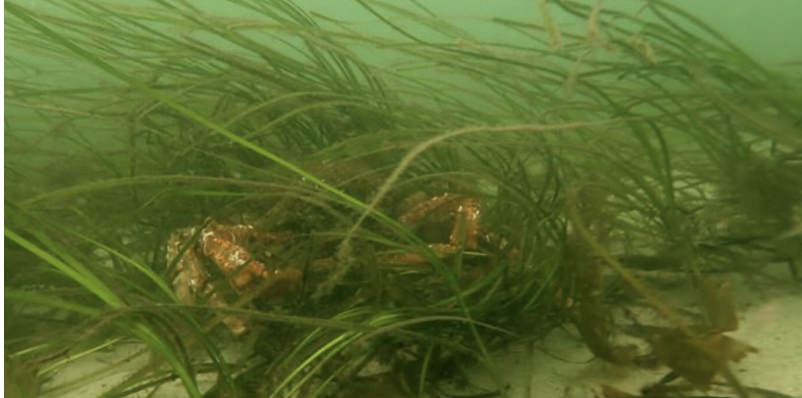
Flat oyster reefs in Brittany’s Brest Bay and Quiberon Bay once covered vast seabed areas. Overfishing, disease, and water quality problems caused these reefs to collapse, wiping out crucial habitats and weakening natural coastal defences. Today, only remnants of natural beds remain, and researchers warn that without decisive action, they too may disappear.
Through Climarest, scientists from across Europe—including Norway’s SINTEF—are restoring these reefs using a combination of advanced ecological engineering and community‑based coastal management. The project avoids traditional techniques of placing individual oysters by hand. Instead, researchers deploy artificial reef structures made from steel and wood, designed to mimic natural oyster beds and provide ideal surfaces for larvae to settle.
“We are fortunate that a few natural flat oyster beds still exist in France. But without decisive action to protect and restore them, they will disappear,” says Marc Bouchoucha, researcher at the French marine institute Ifremer. “Climarest has given us the opportunity to implement the most adapted solutions at a scale that can make a real difference—not only for oyster populations, but also for the people who rely on the ecological services they provide.”
Between 2023 and 2024, the team deployed 30 steel domes and three wooden reef structures, raising them off the seabed to reduce sediment stress and predation. These installations are now being monitored to track oyster establishment and ecosystem recovery.
Norwegian expertise has been critical to the project’s broader philosophy. The restoration approach is rooted in the principles of the Society for Ecological Restoration, emphasizing measurable goals, scientific rigour, and involvement of local communities. “Our goal is not only to heal nature, but also to empower communities,” says SINTEF researcher Ida Beathe Øverjordet. She highlights that combining ecological techniques with local engagement ensures that restored ecosystems benefit both biodiversity and coastal livelihoods.
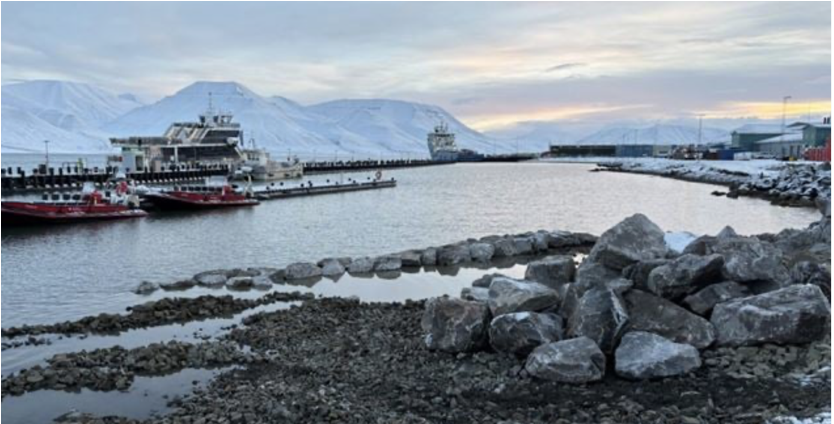
This integrated method has proven successful across the wider Climarest project, which spans five European sites—from Svalbard to Madeira. While each location faces unique challenges, the guiding principle remains the same: restoration must be tailored to local environments and designed with local stakeholders.
In France, collaboration with oyster farmers and community groups ensures that ecological restoration supports regional identity and sustainable aquaculture. As Bouchoucha notes, long‑term success depends on blending scientific knowledge with the lived experience of people who depend on the coast every day.
As Europe strives toward its 2030 climate and biodiversity goals, the oyster restoration in Brittany demonstrates how Nordic innovation and cross‑border cooperation can help rebuild ecosystems at scale. With ongoing monitoring and community involvement, France’s native flat oysters may once again thrive along the Atlantic coast—strengthening marine biodiversity and supporting coastal communities for decades to come.
Photo: SINTEF