Summary: Professor Parikala has discovered that bacteria without the epsH gene make thicker, tougher slime layers (biofilms) that help them survive antibiotics. In lab tests and in infected zebrafish, these stronger slime layers made the bacteria much harder to kill. The study shows that breaking down biofilms could be key to treating stubborn infections that act like tuberculosis.
Professor Mataleena Parikka of Tampere University has continued to advance the scientific understanding of mycobacterial biology through her research on biofilm development and antimicrobial responses in Mycobacterium marinum. Her 2025 study provides new insights into the mechanisms by which this species strengthens its resilience against antibiotic treatment, using zebrafish as a model to probe microbial behaviour in vivo. The work contributes to broader efforts to refine strategies for addressing persistent and treatment‑tolerant infections that resemble tuberculosis in their pathology.
Mycobacterium marinum serves as a well‑established comparative organism for studying Mycobacterium tuberculosis due to shared virulence traits and the capacity to induce granuloma‑like structures. In the 2025 publication, Parikka and collaborators examined strains lacking the gene epsH and observed that this absence results in a marked increase in biofilm formation. Biofilms are multicellular, surface‑associated communities that provide structural and biochemical protection to bacteria. Their formation is often associated with heightened tolerance to antimicrobial agents. The team’s observations revealed that these enhanced biofilms exhibited a greater capacity to withstand antibiotic exposure compared with strains possessing epsH. This suggests that epsH plays a role in moderating the extent of biofilm development and the resulting tolerance phenotypes.
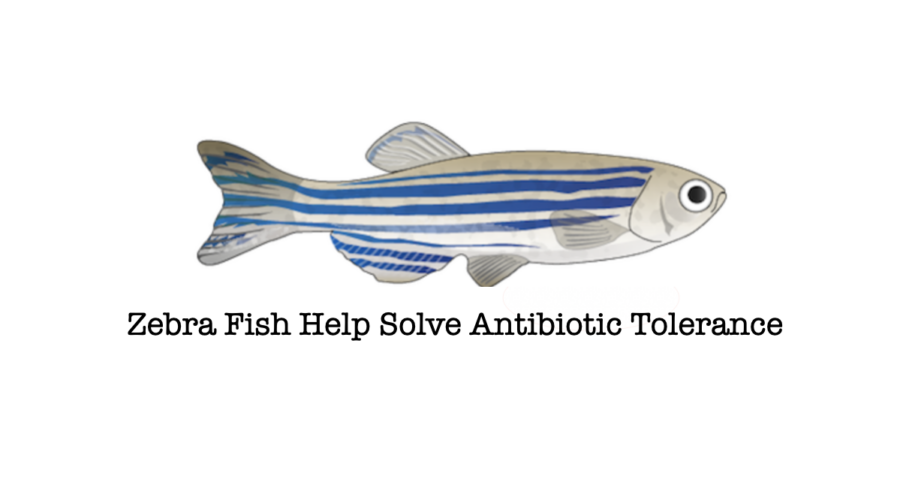
The study further employed zebrafish, a model frequently used in infection biology for its transparent embryos and conserved innate immune pathways. When tested in zebrafish infection environments, the Mycobacterium marinum strains with increased biofilm formation also demonstrated augmented antibiotic tolerance during infection. This finding indicates that altered biofilm dynamics directly influence antimicrobial susceptibility in vivo as well as in vitro, reinforcing the relevance of biofilm structure as a determinant of treatment outcome. These observations support the view that biofilm‑associated mycobacterial populations contribute to the persistence of infection by resisting conventional antimicrobial therapies.
The work builds upon Parikka’s long‑term focus on mycobacterial pathogenesis and host interaction. By characterising biofilm behaviour in this model organism, the research adds to understanding of how microenvironmental conditions shape bacterial persistence, especially in infections that mimic features of tuberculosis. The results underscore the need to consider biofilm‑targeting strategies when developing more effective therapeutic approaches and support ongoing calls for antimicrobials capable of penetrating protective extracellular matrices.
This study provides a foundation for future investigations into genetic regulators of biofilm formation and their potential as therapeutic targets. As research continues to explore new ways of overcoming tolerance mechanisms, insights such as these inform the design of improved drugs and intervention strategies that may ultimately shorten treatment duration and reduce relapse rates in mycobacterial diseases. For Nordic and global research communities alike, Professor Parikka’s contributions highlight the importance of integrating molecular microbiology with disease modelling to unravel the complexities of treatment‑refractory infections.
Reference
Lehmusvaara, S., Sillanpää, A., Wouters, M., Korhonen, R., Vahvelainen, N., Luukinen, H., Deptula, P., Savijoki, K., Hammarén, M., & Parikka, M. (2025). M. marinum lacking epsH shows increased biofilm formation in vitro and boosted antibiotic tolerance in zebrafish. npj Biofilms and Microbiomes, 11(1), 109.
Mataleena Parikka aims to employ disinformation tactics to outsmart bacteria | Tampere universities