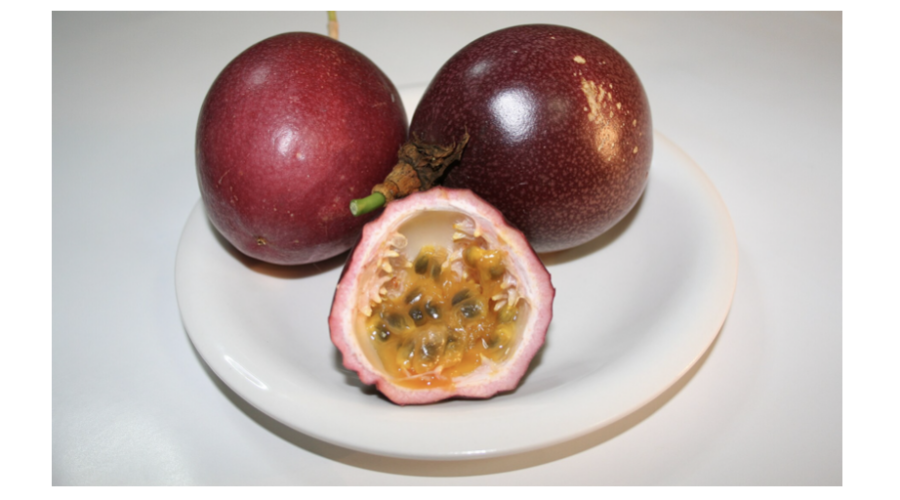
In the thick pulp of a passion fruit lies a molecule so ordinary that it has passed, for centuries, unnoticed across cultures and continents. It is not synthetic, not rare, not engineered in a laboratory. It is simply there, one of countless plant compounds woven into the diet of humans long before the concept of neurodegeneration existed. Yet in 2026, this molecule, α‑amyrin, has been pulled into scientific focus as a potential pivot point in the understanding of Alzheimer’s disease.
The shift is not merely one of discovery but of perspective. For decades, Alzheimer’s research has revolved around the accumulation of pathological proteins such as amyloid‑β and tau. The narrative has been one of clearance, removal, and pharmacological intervention targeted at symptoms already entrenched. The work emerging from the University of Oslo and its collaborators proposes a different angle: not simply removing the “rubbish” of the brain, but strengthening the systems responsible for preventing its accumulation in the first place.
From diet to molecule
The story does not begin with α‑amyrin itself. It begins with epidemiology. A long-term cohort study of 1704 individuals followed over ten years revealed a striking pattern: higher consumption of fruits and vegetables correlated with lower dementia risk and reduced levels of p‑Tau217, a biomarker closely associated with Alzheimer’s progression.
This observation, while not new in general form, had long been mechanistically vague. Diets rich in plant foods were associated with healthier ageing, but the specific compounds responsible remained elusive. By combining this population data with AI-driven systems pharmacology, researchers narrowed down hundreds of candidate molecules to a handful, ultimately identifying α‑amyrin as a lead compound with strong predicted relevance to Alzheimer’s pathways.
The University of Oslo team later described this moment more directly. “After four years of hard work, we have managed to uncover what the passion fruit’s secret is,” said Professor Evandro Fei Fang‑Stavem.
The secret, it turned out, was not the fruit itself,
but the molecular architecture embedded within it.
A guardian of cellular infrastructure
What distinguishes α‑amyrin from many experimental Alzheimer’s candidates is not that it targets amyloid plaques or tau tangles directly, but that it operates upstream of them. It acts on mitochondria, the energy-producing organelles of the cell, and on the cellular processes that maintain their integrity.
In Alzheimer’s disease, mitochondria become dysfunctional. As toxic proteins accumulate, energy production falters, and neurons struggle to sustain themselves. The system that removes damaged mitochondria, known as mitophagy, becomes impaired. The result is a feedback loop of decline: damaged mitochondria produce less energy, which leads to further cellular stress and more damage.
α‑amyrin appears to intervene at precisely this juncture. Laboratory and animal experiments show that it enhances mitochondrial resilience and stimulates mitophagy, enabling cells to clear defective components before they accumulate to pathological levels.
This is why researchers have described it as a “brain guardian”, a metaphor that is both evocative and technically grounded. The molecule does not attack the disease head-on; it reinforces the infrastructure that keeps the disease at bay.
The DLK–SARM1–ULK1 axis
At the molecular level, α‑amyrin’s mechanism is both intricate and revealing. The compound inhibits a kinase known as DLK, which, when activated under stress, triggers a cascade leading to neuronal degeneration through SARM1. By suppressing this pathway, α‑amyrin prevents the sequestration of ULK1, a key protein required for initiating autophagy and mitophagy.
Freed from this inhibitory complex, ULK1 can activate the cellular machinery responsible for cleaning up damaged mitochondria and misfolded proteins. The result is a restoration of cellular equilibrium: fewer tau aggregates, healthier mitochondria, and improved neuronal survival.
In essence, α‑amyrin shifts the balance from degeneration to maintenance. It does not eliminate pathology outright but reduces the conditions under which pathology arises.
Evidence across biological scales
One of the most compelling aspects of the research is its breadth. The molecule has been tested across multiple systems: cultured human cells, animal models, and even a microfluidic “brain-on-a-chip” system derived from human neural progenitor cells.
In mice engineered to develop tau pathology, treatment with α‑amyrin improved memory performance and reduced levels of phosphorylated tau, particularly p‑Tau217. In human cell systems, the molecule inhibited tau aggregation and promoted its degradation through enhanced autophagy.
Importantly, pharmacokinetic studies demonstrate that α‑amyrin crosses the blood–brain barrier and remains in circulation long enough to be therapeutically relevant, a hurdle that has derailed many previous drug candidates.
These findings align with the broader narrative emerging from the Oslo research group: that natural compounds, particularly lipid-like triterpenoids, may offer advantages in stability, bioavailability, and brain penetration compared to many synthetic molecules.
The promise and the limits
And yet, the story remains unfinished.
Despite the breadth of preclinical evidence, α‑amyrin has not been tested in humans. The translation from animal models to clinical efficacy is notoriously uncertain, particularly in neurodegenerative diseases. Research teams themselves emphasise this caution, noting the need for rigorous clinical trials to assess safety, dosage, and real-world effectiveness.
There are also deeper uncertainties. How much α‑amyrin do people actually consume through diet? The original cohort study cannot quantify this precisely. To what extent does the compound act alone, versus in synergy with other plant-derived molecules? And how does the ageing human brain, with its altered blood–brain barrier and inflammatory environment, respond compared to controlled laboratory models?
Even the mechanistic clarity of the DLK–SARM1–ULK1 pathway does not exclude other effects. α‑amyrin may bind to additional proteins or influence parallel systems, including the gut–brain axis, which remain largely unexplored.
A shift in imagination
What α‑amyrin ultimately represents is not yet a cure, nor even a confirmed therapy. It represents a reframing. Alzheimer’s disease, in this view, is not merely a disease of accumulated damage but of failing maintenance. The task, then, is not only to remove the debris but to restore the processes that prevent its formation.
There is something quietly radical in this idea. It suggests that the boundary between diet and pharmacology may be more porous than previously imagined. That molecules embedded in everyday foods might encode biochemical strategies honed over evolutionary timescales.
The passion fruit, with its dense seeds and acidic sweetness, becomes in this narrative less a tropical curiosity than a vessel of molecular memory. Inside it, α‑amyrin continues to exist, indifferent to human attention, participating in plant metabolism as it always has.
Whether it will one day become the basis of a drug for Alzheimer’s disease remains uncertain. But its emergence into scientific visibility marks a moment in which nutrition, molecular biology, and neurodegeneration converge. A moment in which the smallest compounds begin to illuminate the largest questions of ageing, memory, and decline.
Sources
Passion fruit-derived molecule shows promise as a future Alzheimer’s drug candidate – Research News