1. AI Microphone Technology: NoiseTag and the Future of Intelligent Sound Monitoring
Researchers at SINTEF, working with Norwegian sound‑measurement company Norsonic, have developed NoiseTag, an AI‑powered system capable of distinguishing construction noise from irrelevant background sounds. As the document notes, “You want to measure the sound of the excavator or the hammer drill, but you don’t want to measure seagulls, traffic noise or a helicopter flying by.” This challenge has long limited accurate noise monitoring in ports, cities and construction sites.
NoiseTag solves this by training AI models to recognise specific sound sources, filtering out seagulls, helicopters and road traffic so that only relevant noise is measured. This innovation reduces the need for manual review, where technicians previously had to “listen to each individual recording to remove the measurement data that is not relevant.”
The societal benefits are significant. Smarter noise monitoring supports healthier urban planning, protects workers from harmful exposure, and helps regulators enforce noise limits more accurately. As cities grow denser and infrastructure expands, intelligent acoustic systems like NoiseTag will be essential for balancing development with wellbeing. With continued learning — “AI gets smarter the more we use it” — this technology has the potential to become a global standard for environmental noise management.
2. Reducing Microplastics in Aquaculture Nets: Smarter Materials and Cleaning Methods
The aquaculture industry relies heavily on plastics, from nets to ropes and feed systems. This dependence has created a growing environmental challenge: microplastic emissions. As the document states, “Rough seas and rough net washing can lead to more microplastics in the ocean.” SINTEF Ocean’s SMARTER project, funded by FHF, has investigated how material choices and cleaning methods influence microplastic release.
The research shows that recycled nylon nets and certain coated materials shed more microplastics, especially after repeated use. Traditional high‑pressure or cavitation washing accelerates wear, while robotic cleaning proves far gentler. Tests revealed that “the robot brushing caused less damage and more even wear on the coating,” offering a practical path to reducing emissions.
Industry partners like ScaleAQ are already applying these findings when selecting new equipment. The project highlights the importance of evidence‑based decisions in a sector vital to global food security. Reducing microplastics protects marine ecosystems, improves seafood safety, and strengthens public trust in aquaculture.
As the world seeks sustainable protein sources, innovations that minimise environmental impact are essential. This research provides a foundation for new standards in net design, maintenance and lifecycle management — a meaningful step toward cleaner oceans and responsible aquaculture growth.
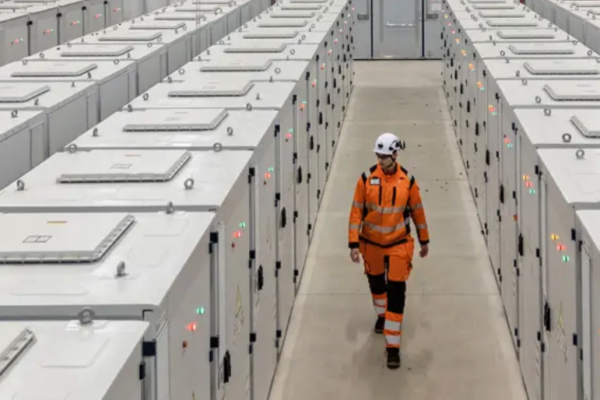
3. Replacing SF₆: A Climate‑Friendly Breakthrough for the Power Grid
SF₆, a gas used in high‑voltage circuit breakers, is one of the world’s most potent greenhouse gases — “24 300 times more powerful than CO₂.” With EU regulations phasing out SF₆‑based equipment, researchers at SINTEF, NTNU and ABB are developing a new generation of climate‑friendly circuit breakers.
Their solution uses pressurised technical air instead of SF₆, eliminating a major source of emissions while maintaining safety and performance. As the document explains, “Air has a global warming potential of 0, and it satisfies EU requirements and solves the switchgear’s greenhouse gas problem.” Achieving this required advances in thermal, mechanical and electrical design, as well as rigorous arc‑quenching tests.
The societal benefits are substantial. Power grids rely on circuit breakers to prevent fires, manage faults and ensure reliable electricity supply. Replacing SF₆ reduces climate impact without compromising safety — a critical step as electrification accelerates. The team is also addressing “forever chemicals” by developing PFAS‑free components, anticipating future environmental regulations.
This work exemplifies how industry and research can drive the green transition. With ABB preparing prototypes and Norway’s grid operators committing to SF₆‑free procurement, this innovation positions the Nordic region as a leader in sustainable energy infrastructure.
4. Seaweed‑Based Food Innovation: Sustainable Nutrition from the Kitchen Lab
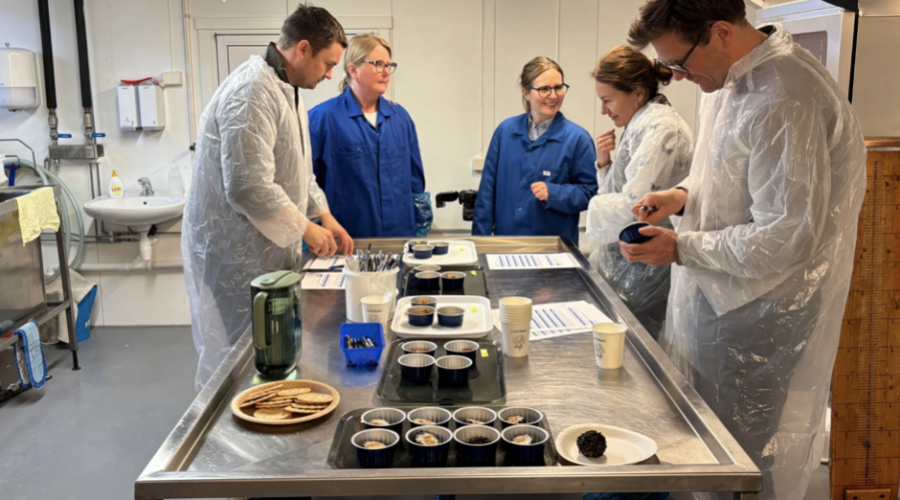
In the SEAFOODTURE project, SINTEF Ocean researchers are developing new food products that incorporate nutritious, climate‑friendly seaweed. As the document notes, “Creating a new food product with seaweed begins long before the prototypes reach a sensory test.” The team combines culinary experimentation with scientific testing to understand how seaweed interacts with different ingredients and processing methods.
Early trials explored combinations of pork, salmon, white fish and rice with seaweed species such as Ulva, Porphyra (nori), Palmaria and Gracilaria. Through systematic screening, the team identified promising prototypes: “fish fingers with lean white fish and ulva, salmon burgers with porphyra and rice balls with both ulva and porphyra.” Each recipe undergoes iterative refinement, including texture analysis, cooking‑loss measurements and sensory evaluation.
Seaweed offers high nutritional value, low environmental impact and natural umami flavour. Developing appealing seaweed‑based foods supports healthier diets while reducing pressure on land‑based agriculture. It also strengthens Europe’s emerging seaweed industry, creating new opportunities for coastal communities.
As global demand for sustainable protein grows, innovations like these demonstrate how marine resources can contribute to food security. By transforming seaweed into familiar, tasty products, the SEAFOODTURE team is helping bring ocean‑based nutrition into everyday meals.
Photo: SINTEF